Apple Home Collection: the lock the protocol grew into
On October 13, 2026, Apple held a product event and announced, among other things, a door lock. Not a protocol for door locks. Not a standard that lock companies could license. A door lock — $349.95, available in Essence Graphite or Essence Silver, shipping to U.S. and Canadian homes in December.
Apple had been shaping how smart locks work for years without building one. HomeKey launched in 2021, turning the iPhone into a digital credential compatible with third-party locks from Schlage, Kwikset, and a dozen other manufacturers. The Aliro standard, which Apple helped ratify through the Connectivity Standards Alliance in 2026, extended that idea to a vendor-neutral open format that any phone and any lock could speak. Apple defined what the credential should look like. Everyone else built the lock. Until October 13.
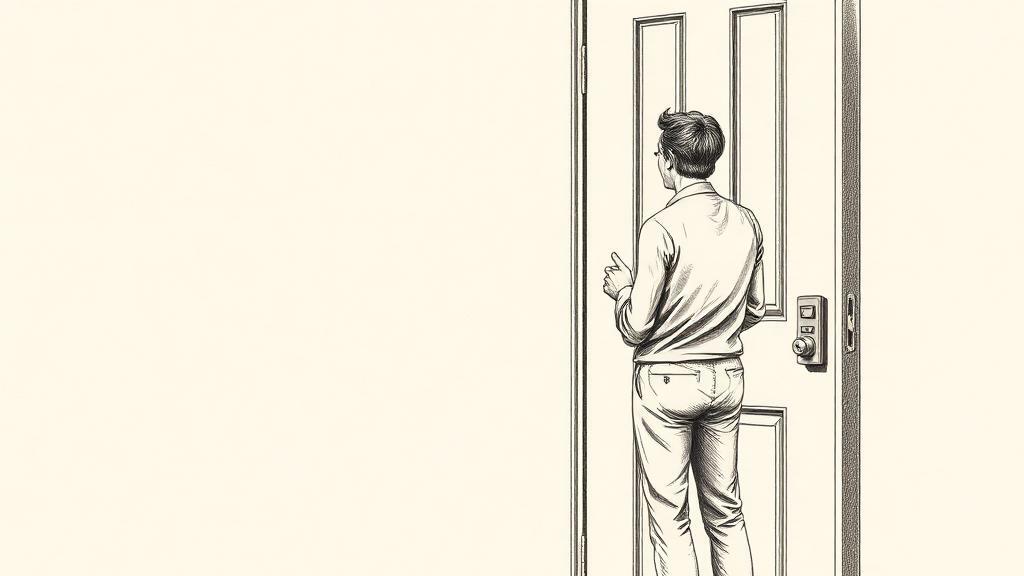
The lock itself is made by LG Electronics — a company better known for OLED televisions and refrigerators than for deadbolts — under the Apple Home Collection brand, a line of accessories Apple co-developed with LG and Schneider Electric. The LG Smart Deadbolt installs over a standard single-cylinder deadbolt housing. It reads Ultra Wideband signal from a compatible iPhone or Apple Watch. When an authorized device approaches, the lock releases — no tap, no voice command, no action required. The door opens, as if the house has been waiting.
The device covers its bets. An exterior PIN pad handles the case where the phone is dead or the hands are full. An NFC tap-to-unlock option covers the cautious. And hidden in the faceplate is a physical key slot — a backup so traditional it would have surprised nobody in 1784. The lock supports Matter and Aliro, which means it also works with Google Home and Amazon Alexa regardless of what Apple does with those alliances in five years. In theory, this is the last lock a household would need to replace when switching phone ecosystems.
Apple VP Matthew Costello described the collection as “designed to work seamlessly with Apple Home, so managing your home is simple, reliable, and private.” What he left unspoken was the competitive subtext: Amazon and Google had been selling cameras, doorbells, and thermostats under their own hardware brands for years, and Apple had been absent from that side of the market. The Apple Home Collection covers a video doorbell, thermostat, temperature sensor, security cameras, and a deadbolt. It is Apple’s first attempt to own the full perimeter of a home from its own shelves.
The absence of any traditional lock manufacturer in that product family is worth noting. The Apple Home Collection lock is made by a company whose prior catalog was OLED screens and appliances. Schlage, Kwikset, and ASSA ABLOY are all members of the Aliro consortium — they helped write the standard — but none of them appear in the Apple Home Collection. The ecosystem Apple built favored a different kind of hardware partner: one fluent in wireless protocols and consumer electronics supply chains, not a century of milling brass pins.
The Bramah challenge lock sat in a Piccadilly shopfront for sixty-seven years, daring anyone to try it. Starting December 2026, the LG deadbolt will sit in Apple retail stores, asking customers to take it home. The ambition is different. The instinct — to own the front door — is the same.
Sources
- Apple Newsroom — Introducing Apple Home Collection — Official announcement: products, LG and Schneider Electric partnership, pricing, December 2026 availability, Matthew Costello quote.
- MacObserver — LG Smart Deadbolt costs $349.95, unlocks hands-free with iPhone — Lock specs: UWB passive proximity unlock, NFC tap, PIN pad, physical backup key, HomeKey integration.
- TechCrunch — Apple’s new smart home lineup — Competitive context: Amazon Ring and Google Nest, Apple’s strategic rationale for entering home hardware.