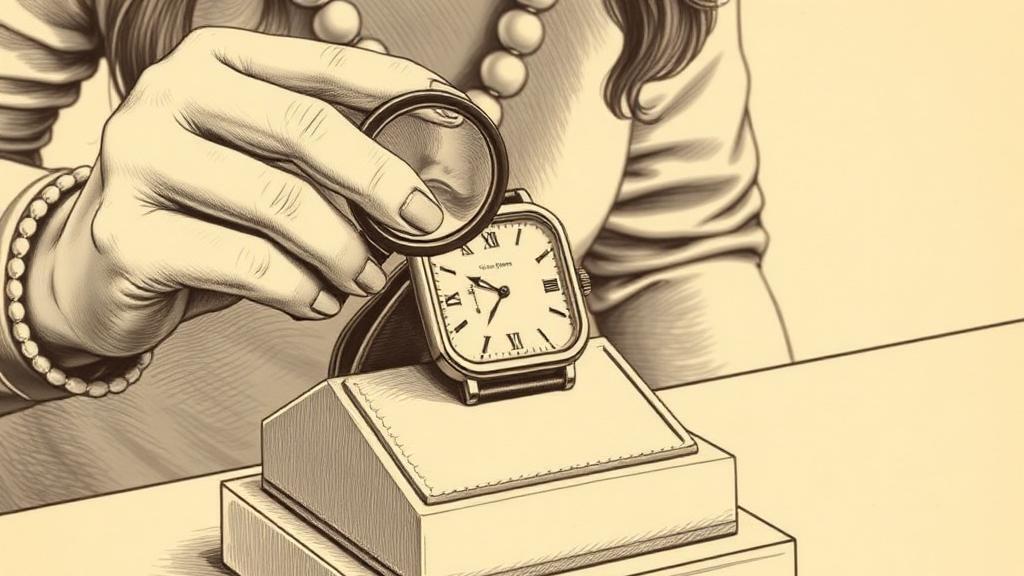
Apple Watch, 2015: the wristwatch that became a medical device
On the morning of April 24, 2015, Apple opened a web page where you could order an 18-karat gold watch for $17,000. The device ran software that would stop receiving updates by 2018 and could no longer pair with a new iPhone by 2019. At Salisbury Cathedral, the iron clock movement installed in 1386 ticked on, untroubled.
The Apple Watch began, by most accounts, with grief. Jony Ive started sketching a wearable device in late 2011, shortly after Steve Jobs’s death in October of that year. The hardware existed — accelerometers, heart rate sensors, small touchscreens — but the design problem was harder: how do you make a computer intimate? Apple hired Kevin Lynch, the former chief technology officer of Adobe, in March 2013 to lead the engineering team. Two and a half years of close secrecy followed.
Tim Cook introduced the device on September 9, 2014, at the Flint Center in Cupertino, describing it as “the most personal device we’ve ever created.” It arrived in three tiers: Sport in anodized aluminum, Watch in stainless steel, Edition in solid gold. The base price was $349; the Edition started at $10,000. The first generation ran Apple’s S1 chip, kept time accurate to within 50 milliseconds, and borrowed GPS positioning from a paired iPhone. The Digital Crown — a scroll wheel on the right edge, descended conceptually from the mainspring crown of every mechanical watch ever made — let you navigate without covering the small screen. It shipped on April 24, 2015, with 4.2 million units sold in the second fiscal quarter alone.
What followed surprised the industry that had taken six centuries to build. In the first ten months of 2015, Swiss watch exports fell 3.2 percent. Shipments to Hong Kong in October dropped 39 percent. The Federation of the Swiss Watch Industry recorded its largest monthly export decline since 2009. By September 2017, Tim Cook told analysts that Apple Watch had overtaken Rolex to become the world’s best-selling watch by unit volume. The Swiss had spent centuries refining their craft; Apple redrew the market in under three years.
The harder shift was conceptual. Every timepiece from the Egyptian shadow clock to Harrison’s H4 chronometer answered one question: what time is it? The Apple Watch answered something else: how is your body doing right now? Within a few product generations, the heart rate sensor was detecting atrial fibrillation in people who had no idea their rhythm was wrong. The fall-detection feature was summoning emergency services for users who had lost consciousness. The watch had become, for many of its owners, a medical device that also happened to show the time.
The 18-karat Edition is mostly a footnote — a luxury bet that did not quite land, since a mechanical watch at that price will outlast its buyer by a century, while the Edition lasted three software updates. The devices that mattered were the $350 aluminum ones that ended up on wrists in hospital corridors and marathon finish lines.
Timekeeping stopped being about knowing when. It became about knowing what your body was doing with the time it had left.
Sources
- Apple Unveils Apple Watch — Apple Newsroom — September 2014 announcement, Tim Cook’s “most personal device” framing, Digital Crown description
- Apple Watch — Wikipedia — first-generation specifications, pricing tiers, April 2015 launch date, Q2 2015 sales figures
- From top secret to best seller — AppleInsider — Jony Ive’s 2011 design origins, Kevin Lynch hire, Tim Cook’s 2017 Rolex comparison
- Swiss watchmakers’ biggest sales drop in six years — BGR — Swiss export decline figures for 2015, Hong Kong shipment data