Nike's Vaporfly and the carbon-plate supershoe
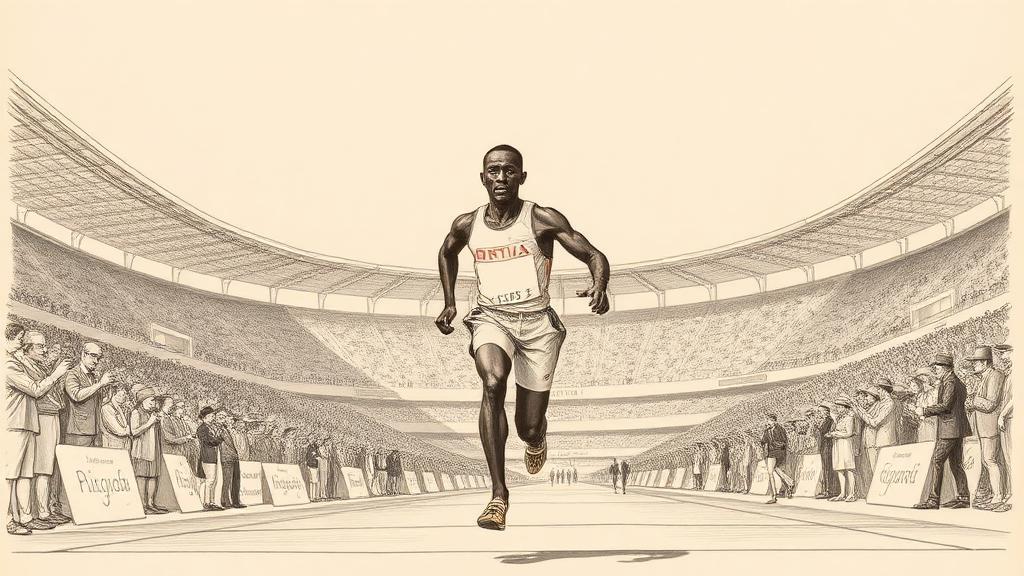
In August 2016, Eliud Kipchoge crossed the finish line of the Olympic marathon in Rio de Janeiro in a shoe his sport’s governing body had never seen. The Nike prototype on his feet carried a full-length carbon fiber plate and a foam compound developed over two years in Nike’s sports research lab — both hidden behind the upper of a standard racing flat, indistinguishable from the stands. It had no public name and would not be sold for another year.
Nike had been working on it since 2014, inside a project it would call Breaking2. The goal: run 26.2 miles in under two hours. The world record then stood at 2:02:57. Shaving two minutes from a marathon record is not a small adjustment — it is a recalibration of what a human body can sustain.
The key was the foam. Nike’s engineers had developed a compound called ZoomX — a PEBA-based plastic lighter and more energy-returning than anything previously used in a road racing shoe. Foam alone, though, leaks energy at toe-off: it compresses and rebounds without directing force forward. To fix that, Nike embedded a full-length carbon fiber plate in the midsole — stiff enough to act as a lever, channeling energy that would otherwise scatter away. The resulting shoe took its name from a University of Colorado study published in Sports Medicine: 18 sub-elite runners wearing the prototype used four percent less oxygen per mile than runners in leading rivals’ shoes. Four percent is, in marathon terms, roughly five minutes.
On May 6, 2017, Nike staged its public demonstration at the Autodromo Nazionale di Monza, the Formula One circuit outside Milan — flat asphalt, sheltered straights, thirty pacemakers, three elite runners on the entry list. Eliud Kipchoge ran 2:00:25, the fastest marathon ever recorded, and officially irrelevant, because rotating pacemakers violated IAAF rules. He had been 26 seconds from a number nobody had touched. He went home and trained.
The Vaporfly 4% went on sale that summer. World records fell: Kipchoge set the men’s marathon record in Berlin in September 2018 at 2:01:39; Brigid Kosgei took the women’s record in Chicago in October 2019 at 2:14:04, wearing a version of the same technology. The proportion of Vaporflys on the feet of elite finishers at major marathons climbed toward saturation.
On October 12, 2019, in Vienna’s Prater park, Kipchoge ran 1:59:40.2 — a privately organized attempt, not record-eligible under IAAF rules, but the number no longer required a rulebook to be real. Two hours, crossed. The barrier fell anyway.
World Athletics responded in January 2020: road racing shoes may have soles no thicker than 40mm and may contain no more than one rigid embedded plate. Prototype shoes not available for public purchase were retroactively barred from future competition. The mass-market Vaporfly remained legal. Every major running brand now makes a carbon-plate shoe.
The shoe Kipchoge wore in Rio in 2016 was a prototype of the future, disguised as something ordinary. The standard shoe, a decade on, is the one with the plate inside.
Sources
- Breaking2 — Wikipedia — May 6, 2017 event at Monza, the three runners, Kipchoge’s 2:00:25 time, why it wasn’t an official record.
- Nike Vaporfly 4% study — Canadian Running Magazine — University of Colorado Sports Medicine study documenting the 4% running economy improvement.
- Nike Vaporfly avoids ban — Sports Illustrated — World Athletics January 2020 regulations: 40mm sole limit, one-plate rule, prototype ban.
- Ineos 1:59 Challenge — Wikipedia — October 12, 2019, Vienna, Kipchoge’s 1:59:40.2 and the INEOS-sponsored private attempt.